The Therapeutic Benefits of Gardening

In a world increasingly dominated by screens and digital interactions, gardening offers a tangible connection to nature that many find profoundly healing. The simple act of tending to plants has been shown to significantly reduce stress levels and improve overall mental wellbeing. When we immerse our hands in soil, we’re not just growing plants—we’re cultivating peace of mind.

Research has consistently demonstrated that gardening lowers cortisol levels, the hormone associated with stress. Even brief gardening sessions of 30 minutes can produce measurable reductions in anxiety. This natural stress relief comes from multiple sources: the physical activity, exposure to fresh air and sunlight, and the mindful focus required when caring for living things.

Beyond stress reduction, gardening provides a powerful antidote to depression. The responsibility of nurturing plants gives many people a sense of purpose and accomplishment. Watching seeds transform into flourishing plants offers tangible evidence of one’s positive impact, boosting self-esteem and counteracting feelings of helplessness that often accompany depression.

The physical benefits of gardening complement its psychological advantages. Digging, planting, weeding, and harvesting constitute moderate-intensity exercise that improves cardiovascular health and muscle strength. Unlike traditional workouts, gardening rarely feels like exercise—it’s purposeful movement that produces visible results in your environment.

Gardening also fosters social connections, another crucial element of mental health. Community gardens bring together people from diverse backgrounds, creating opportunities for meaningful interaction and shared learning. Even individual gardeners often find themselves exchanging tips, seeds, and produce with neighbors, strengthening community bonds.

For those recovering from trauma or illness, therapeutic horticulture programs have shown remarkable results. Working with plants provides sensory stimulation and encourages mindfulness—the practice of being fully present in the moment. This mindful engagement can interrupt rumination and provide respite from distressing thoughts.

The garden also teaches valuable life lessons about patience and resilience. Not every seed will germinate; not every plant will thrive. Learning to accept these natural cycles helps develop emotional regulation and adaptive coping skills. The garden becomes a metaphor for life’s challenges and the growth that can emerge from difficulty.

Creating a therapeutic garden doesn’t require extensive space or expertise. Even apartment dwellers can experience benefits from tending to houseplants or maintaining a small balcony garden. The key is regular interaction with living plants in a way that brings personal satisfaction.

For maximum mental health benefits, consider incorporating elements that engage all senses: fragrant herbs, textured foliage, colorful flowers, and edible plants. The sound of rustling leaves or water features adds another dimension of sensory engagement that enhances relaxation.

As technology increasingly dominates our lives, the simple act of connecting with soil and plants provides a necessary counterbalance. Gardening reminds us of our place in the natural world and the joy that comes from nurturing life. In tending our gardens, we ultimately tend to ourselves—cultivating not just plants, but wellbeing, resilience, and a deeper connection to the world around us.
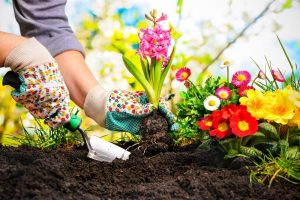
 

Container Gardening for Urban Dwellers

The concrete jungle need not be devoid of greenery. Container gardening has emerged as the perfect solution for urban dwellers yearning to grow plants despite limited space. This versatile approach to gardening transforms balconies, patios, windowsills, and even indoor spaces into productive growing areas, bringing nature’s bounty to the heart of the city.

gardening

The beauty of container gardening lies in its accessibility. With minimal investment and basic knowledge, anyone can create a thriving miniature garden regardless of available space. Containers allow for gardening without a yard, making it possible to grow everything from ornamental flowers to fresh vegetables in the most unexpected urban settings.

Selecting appropriate containers is the first step toward success. While traditional pots work well, urban gardeners often repurpose items like wooden crates, buckets, or even old furniture to create unique growing spaces. The only essential requirements are adequate drainage holes and sufficient depth for the intended plants’ root systems. For edible plants, avoid containers made from treated wood or materials that might leach harmful chemicals.

Soil quality becomes particularly crucial in container gardening since plants cannot access nutrients beyond their confined environment. Standard garden soil typically performs poorly in containers, becoming compacted and restricting root growth. Instead, opt for high-quality potting mixes specifically formulated for containers. These lightweight mixes provide proper drainage while retaining adequate moisture and nutrients.

The limited soil volume in containers creates unique watering challenges. Container plants typically require more frequent watering than their in-ground counterparts, sometimes needing daily hydration during hot summer months. Self-watering containers or drip irrigation systems can help maintain consistent moisture levels while accommodating busy urban lifestyles. The goal is to keep soil consistently moist but never waterlogged.

Plant selection should reflect both the environmental conditions of your space and your gardening goals. For edible container gardens, focus on high-value crops that yield well in limited space. Herbs offer exceptional value, providing fresh flavors throughout the growing season with minimal space requirements. Leafy greens, cherry tomatoes, peppers, and bush varieties of beans and cucumbers also perform admirably in containers.

Vertical gardening techniques maximize limited space by encouraging plants to grow upward rather than outward. Trellises, stakes, and hanging systems allow vining plants to flourish without consuming precious floor space. This approach not only increases yield per square foot but also creates visual interest in small urban settings.

Light conditions represent one of the biggest challenges for urban container gardeners. Most edible plants require at least six hours of direct sunlight daily—a requirement that can be difficult to meet on shaded balconies or in apartment interiors. Carefully assess your space’s light patterns before selecting plants, choosing shade-tolerant varieties for areas with limited sun exposure. For extremely low-light environments, consider investing in grow lights to supplement natural illumination.

Container gardens benefit from regular fertilization since nutrients gradually deplete from the limited soil volume. Slow-release granular fertilizers provide consistent nutrition with minimal effort, while liquid fertilizers offer more precise control over nutrient delivery. Organic options like compost tea or fish emulsion nourish plants while maintaining soil health.

Perhaps the greatest advantage of container gardening for urban dwellers is its flexibility. Containers can be rearranged to follow seasonal light patterns, moved indoors during extreme weather, or completely redesigned as interests and needs change. This adaptability makes container gardening particularly well-suited to rental living, where permanent garden installations might not be permitted.

With thoughtful planning and consistent care, urban container gardens can transform city living. Beyond providing fresh produce and beautiful greenery, these miniature ecosystems reconnect city dwellers with natural cycles and seasonal rhythms. In cultivating container gardens, urban residents create pockets of sustainability and self-sufficiency within the metropolitan landscape.


Sustainable Gardening Practices for a Changing Climate

As our climate continues to shift, gardeners find themselves on the front lines of adaptation. Sustainable gardening practices offer not only a response to these environmental challenges but also an opportunity for individuals to make meaningful contributions to planetary health. By implementing climate-conscious techniques, home gardeners can create resilient landscapes that thrive despite increasingly unpredictable weather patterns.

Water conservation stands as perhaps the most critical component of sustainable gardening in a changing climate. With many regions experiencing more frequent droughts interspersed with intense rainfall events, traditional irrigation approaches often prove inadequate. Rainwater harvesting systems, from simple rain barrels to more complex cisterns, capture precipitation during abundance for use during dry periods. This practice reduces demand on municipal water supplies while providing plants with unchlorinated water they naturally prefer.

Complementing water capture, thoughtful irrigation methods minimize waste. Drip irrigation delivers water directly to plant roots, reducing evaporation and preventing the fungal issues associated with wet foliage. Soaker hoses offer similar benefits with less complexity. Timing also matters—watering during early morning hours allows moisture to penetrate soil before the day’s heat triggers significant evaporation.

Soil health forms the foundation of climate-resilient gardens. Healthy soil acts as a carbon sink, sequestering atmospheric carbon dioxide while improving plant resilience. Regular additions of organic matter through compost and mulch enhance soil structure, increasing its capacity to absorb and retain moisture. This improved water retention proves invaluable during drought periods, reducing irrigation needs while maintaining plant health.

The practice of no-till gardening preserves soil structure and protects beneficial soil organisms. Traditional tilling disrupts fungal networks and releases stored carbon dioxide into the atmosphere. By contrast, no-till approaches maintain soil integrity, building fertility naturally over time. For new garden beds, sheet mulching (also called lasagna gardening) allows creation of planting areas without disturbing existing soil structure.

Plant selection becomes increasingly important as climate patterns shift. Native plants, having evolved in local conditions over thousands of years, typically demonstrate superior resilience to regional weather extremes. Their deep root systems access soil moisture unavailable to shallower-rooted species, while their adaptation to local pest pressures reduces the need for chemical interventions. Creating diverse plantings that include native species builds garden ecosystems better equipped to withstand environmental stresses.

Beyond natives, climate-adapted plants from regions with similar weather patterns offer additional options. Mediterranean plants thrive in areas experiencing hot, dry summers and mild, wet winters. Desert-adapted species demonstrate remarkable drought tolerance. By researching plant origins and matching them to projected climate trends for your region, you can create landscapes prepared for future conditions.

Biodiversity serves as insurance against climate uncertainty. Gardens featuring diverse plant species, structures, and blooming periods support robust pollinator populations and beneficial insects that help control pest outbreaks. This ecological approach to pest management reduces reliance on chemical controls while creating self-regulating garden systems. Including plants of various heights, textures, and seasonal interest creates microclimates that buffer temperature extremes.

Strategic design elements further enhance garden resilience. Windbreaks protect plants from desiccating winds and reduce evaporation rates. Shade structures or carefully placed trees create cooling microclimates for heat-sensitive plants. Rain gardens and swales slow water movement during heavy precipitation events, reducing erosion while increasing groundwater recharge.

Energy conservation extends sustainability beyond plant care. Solar-powered garden tools eliminate fossil fuel consumption, while hand tools provide exercise along with zero emissions. Composting garden waste locally eliminates transportation impacts while creating valuable soil amendments. Selecting locally produced amendments and materials reduces the carbon footprint associated with shipping heavy garden products.

As climate change accelerates, sustainable gardening practices transform from optional enhancements to essential approaches. By working with natural processes rather than against them, gardeners create landscapes that not only withstand environmental challenges but actively contribute to solutions. These resilient gardens demonstrate how individual actions, multiplied across communities, can foster ecological health while providing beauty and abundance in an uncertain future.


How an Interior Photographer in Singapore Shapes the Way We See Modern Living

You’ve scrolled past hundreds of property listings, but some interiors stop you mid-swipe. That’s not luck—it’s calculated visual engineering. An interior photographer in Singapore doesn’t just capture rooms; they recalibrate your perception of space through precise angles, calculated lighting ratios, and strategic lens choices. What looks like a naturally spacious condo is actually a masterclass in optical manipulation. The question is: which techniques actually work in Singapore’s unique architectural landscape, and which are just expensive placebo?

interior photographer in Singapore

How Do Interior Photographers Make HDB Flats Look Bigger?

Why does a 700-square-foot HDB flat photograph like a spacious 1,000-square-foot condo? Your interior photographer in Singapore uses wide-angle lenses (16-24mm) positioned at corner intersections, capturing diagonal sightlines that maximize depth perception. They’ll shoot from lower angles, emphasizing vertical space while maintaining parallel lines. Strategic lighting eliminates shadow compression, and decluttered compositions create visual breathing room—transforming compact dimensions into expansive narratives.

What Separates Amateur and Professional Interior Photography in Singapore?

Your smartphone might capture a beautiful room, but professional interior photography in Singapore operates on a different technical plane. Professionals control perspective distortion with tilt-shift lenses, balance ambient and artificial lighting through bracketing, and understand spatial composition that guides viewers’ eyes. They’re shooting architecture, not snapshots—calculating angles that reveal room proportions while maintaining vertical lines and eliminating colour casts that smartphone sensors can’t detect.

Choosing the Right Interior Photographer for Your Singapore Property

How do you identify a photographer who understands Singapore’s unique spatial constraints and lighting challenges? Examine their portfolio for HDB flats and compact condos—tight spaces demand wide-angle mastery without distortion. Check their lighting techniques in Singapore’s harsh tropical glare. Review their composition skills in handling vertical living. Request client references from local property developers. Verify their post-processing capabilities for architectural accuracy.

What Interior Photography Actually Costs in Singapore?

After securing the right photographer through portfolio reviews and reference checks, budget allocation becomes your next consideration. Singapore interior photography rates range from S$300 for basic residential shoots to S$2,500+ for premium commercial spaces. Factors affecting pricing include square footage, styling requirements, lighting complexity, and post-production depth. Most photographers offer tiered packages balancing shoot duration, delivered images, and usage rights.


Interior Lighting Ideas to Beat the Tropical Glare in Singapore Homes

You’ve likely noticed how Singapore’s intense equatorial sun transforms your carefully chosen interior finishes into washed-out surfaces by midday. The challenge isn’t simply about blocking light—it’s engineering a visual environment where 90,000 lux exterior daylight transitions seamlessly into comfortable 300–500 lux interior zones without compromising architectural openness. This requires deliberate integration of optical control strategies, from micro-louver geometries to spectral filtering techniques. The solution lies in understanding how light behaves across material interfaces and temporal cycles.

Layer Your Lighting to Balance Natural and Artificial Sources

How can you achieve visual comfort when Singapore’s intense equatorial sun floods your interiors with harsh, unmodulated light? You’ll need strategic interior lighting layering—combining ambient, task, and accent illumination. Deploy dimmable overhead fixtures alongside directional spotlights and wall sconces. This tripartite approach counterbalances tropical glare while maintaining adequate lux levels throughout daily solar cycles, ensuring consistent illumination regardless of external conditions.

Use Window Treatments That Diffuse Light Without Darkening Rooms

What transforms Singapore’s piercing equatorial sunlight into soft, manageable illumination without plunging your interiors into dimness? Strategic window treatments with engineered diffusion properties. You’ll want solar sheer curtains featuring dual-layer construction, allowing visible light transmission whilst blocking UV rays. Alternatively, specify cellular shades with translucent fabrics that scatter direct beams into ambient glow. Roller blinds in light-filtering percentages (3-5% openness factor) maintain views while reducing glare intensity by 80-90%.

Position Task Lighting to Eliminate Shadows and Eye Strain

Where should you place interior lighting by https://www.etchandbolts.com/lighting to counteract the harsh contrast between Singapore’s brilliant outdoor conditions and your interior workspace requirements? Position adjustable desk lamps 15-18 inches from work surfaces at 40-degree angles to minimize shadows. Install under-cabinet LED strips in kitchens to eliminate overhead shadow casting. Mount reading lights behind shoulders rather than overhead to prevent glare reflection on screens and glossy materials.

Choose Fixtures and Bulbs That Minimize Glare and Heat

Singapore’s intense equatorial sunlight demands lighting fixtures engineered specifically to reduce glare amplification and thermal output—two factors that compound visual discomfort and cooling costs. You’ll want LED systems with high Color Rendering Index (CRI) ratings above 90, parabolic louvers for controlled light distribution, and recessed fixtures with anti-glare baffles. Opt for 3000K color temperature bulbs that emit minimal infrared radiation while maintaining visual comfort throughout your interior spaces.


Hidden Factors That Affect How Much You Pay To Buy Website Domain Names

You might think domain registration is straightforward—find a name, pay the listed price, and you’re done. But several hidden factors can drastically impact what you’ll actually pay. From premium pricing on trendy TLDs like .ai to renewal rates that silently jump 300% after your first year, the true cost extends far beyond the advertised price. Dynamic pricing algorithms even adjust what you see based on your browsing history. Understanding these hidden mechanisms can save you hundreds in unexpected expenses.

Premium Pricing for Trending TLDs and Registry Surcharges

While standard domain extensions like .com maintain relatively stable pricing structures, trending Top-Level Domains (TLDs) often command premium prices due to their market popularity and perceived value.

When you buy website domain at https://www.active-domain.com/buy-domain/ with trendy extensions like .io or .ai, expect registry surcharges. These premium designations typically incur higher wholesale costs, which registrars pass directly to customers. Market demand directly influences these fluctuating prices.

Renewal Rate Escalation and Long-Term Ownership Costs

When purchasing a domain name, many buyers focus exclusively on the initial registration fee while overlooking the potentially significant long-term ownership costs.

Many registrars implement escalating renewal rates, with year-two prices jumping 50-300% above introductory rates. TLDs like .io and .ai command premium renewals ($50-90 annually) compared to standard extensions ($10-15), dramatically affecting your total cost of ownership over a decade.

Domain Privacy Protection and Additional Service Fees

Although domain registration fees form the foundation of your purchase, secondary costs like privacy protection and supplementary services can substantially increase your total expenditure.

Privacy protection shields your personal information from public WHOIS databases, typically costing $5-$15 annually. Other add-ons—email forwarding, DNS management, website builders, and SSL certificates—while optional, can quickly transform a $10 domain into a $50+ investment.

Browsing Behavior, Search History, and Dynamic Pricing Algorithms

Beyond the fixed costs of registration and add-on services lies a less visible factor affecting what you’ll pay: your own digital footprint.

Registrars deploy dynamic pricing algorithms that analyze your browsing patterns, search history, and device information. If you’ve repeatedly searched for a specific domain or visited premium domain sites, algorithms may increase displayed prices. Using incognito browsing, VPNs, or clearing cookies can often circumvent these personalized pricing mechanisms.